
During the rainy season, slippery roads and reduced visibility create greater challenges for driving safety. Many vehicle problems do not occur suddenly — they are often the result of overlooked routine inspections. Performing basic checks in advance can significantly improve driving safety and reduce the risk of unexpected breakdowns. Below is a practical rainy season […]
During the rainy season, slippery roads and reduced visibility create greater challenges for driving safety. Many vehicle problems do not occur suddenly — they are often the result of overlooked routine inspections. Performing basic checks in advance can significantly improve driving safety and reduce the risk of unexpected breakdowns. Below is a practical rainy season car maintenance checklist that every driver should review.
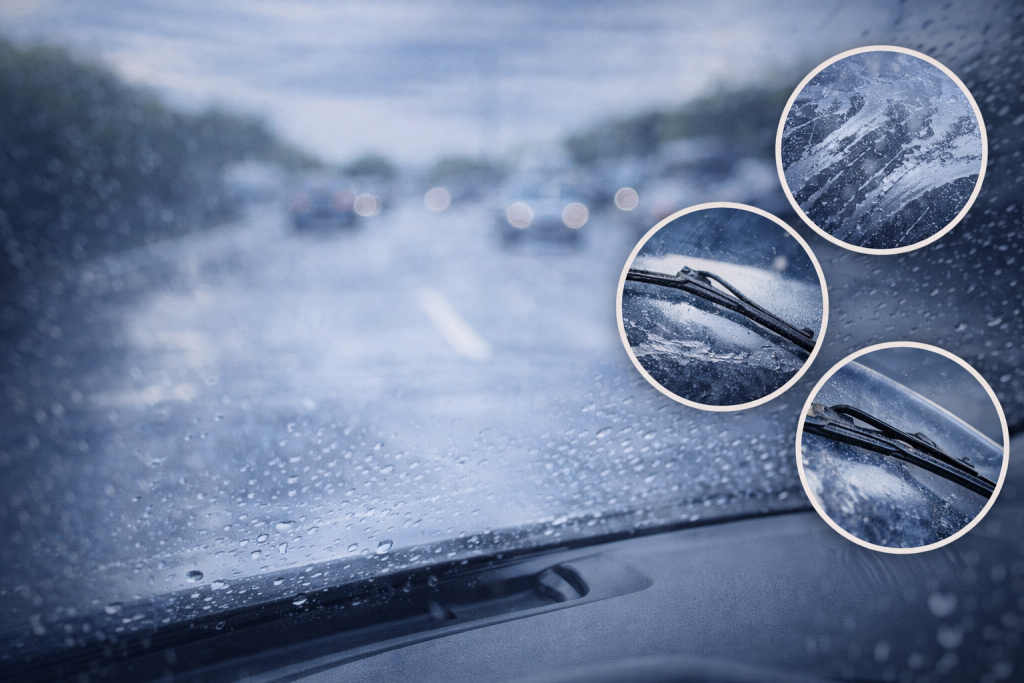
Windshield wipers play a critical role in maintaining clear visibility during rainy weather. Once their performance declines, vision can quickly become blurred, increasing driving risks.
Common questions from drivers:
How often should wipers be replaced? In general, wiper blades should be replaced every 6–12 months, depending on usage frequency and environmental conditions.
Signs that wipers need replacement include:
Checking and replacing worn wipers before the rainy season is one of the simplest and most effective ways to improve driving safety.
Tires directly affect vehicle stability and braking performance in rainy conditions. Worn tires or incorrect tire pressure can increase the risk of slipping or hydroplaning.
What drivers should check:
In general, a tread depth of 3 mm or more is recommended for safer driving in wet conditions, as it provides better traction and control.
On wet roads, braking distance naturally increases. If the braking system is not in good condition, the risk becomes even higher.
Warning signs to watch for:
If any of these symptoms occur, drivers should inspect the brake pads and brake fluid promptly to ensure safe braking performance.
Rainy weather often comes with reduced visibility and darker driving conditions. A properly functioning lighting system helps drivers see clearly and allows other vehicles to see them.
Recommended checks:
If lights appear dim or malfunction, cleaning the lenses or replacing bulbs can quickly improve safety.
In fact, preparing your car for the rainy season does not take much time. Just a few minutes of basic inspection can significantly reduce driving risks and help ensure safer journeys in wet weather.

Stay informed, stay inspired with our new blogs.

Cleanbro successfully concluded Automechanika Frankfurt 2026, showcasing silicone wiper blades, water-repellent coating technology, patented multi-fit adapter systems, and innovative car care solutions to customers and partners from across Europe.
Learn More
Choosing the right wiper blade is about more than brand and price. This guide explains how material, size, wiper arm fitment, climate, and windshield condition affect wiping performance, helping you find the best option for your vehicle.
Learn More
Cleanbro highlights from Automechanika Frankfurt 2026, featuring silicone wipers, live demos, and car care products.
Learn More
Cleanbro will attend Automechanika Frankfurt 2026, presenting its latest silicone wipers, multi-fit systems, and patented wiper solutions. Discover how Cleanbro continues to drive innovation and expand global automotive aftermarket partnerships.
Learn More
Cleanbro will exhibit at Automechanika Frankfurt 2026 from September 8–12. Visit us at Hall 3.1, Booth F68 to discover silicone coating wiper blades, multi-fit solutions and OEM opportunities.
Learn More
For distributors and auto parts importers, choosing between silicone and rubber wiper blades is not only about product performance. It also affects pricing, customer satisfaction and market positioning.
Learn MoreIf you are interested in any of our products or would like to discuss a customized order, Please feel free to contact us.
Free Samples available before bulk order
