
During the rainy season, slippery roads and reduced visibility create greater challenges for driving safety. Many vehicle problems do not occur suddenly — they are often the result of overlooked routine inspections. Performing basic checks in advance can significantly improve driving safety and reduce the risk of unexpected breakdowns. Below is a practical rainy season […]
During the rainy season, slippery roads and reduced visibility create greater challenges for driving safety. Many vehicle problems do not occur suddenly — they are often the result of overlooked routine inspections. Performing basic checks in advance can significantly improve driving safety and reduce the risk of unexpected breakdowns. Below is a practical rainy season car maintenance checklist that every driver should review.
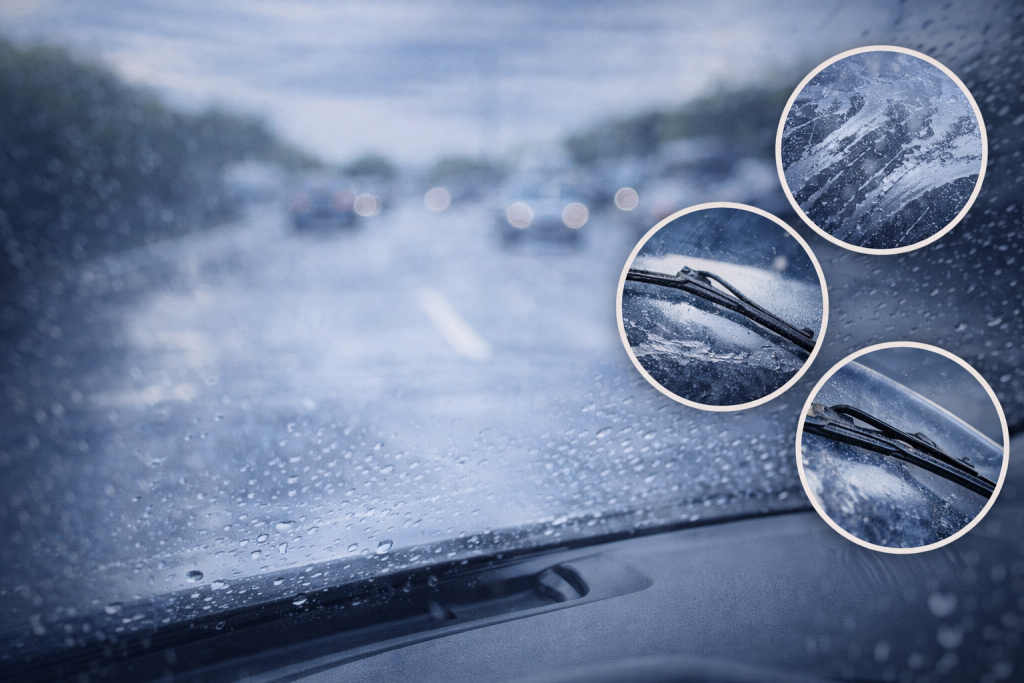
Windshield wipers play a critical role in maintaining clear visibility during rainy weather. Once their performance declines, vision can quickly become blurred, increasing driving risks.
Common questions from drivers:
How often should wipers be replaced? In general, wiper blades should be replaced every 6–12 months, depending on usage frequency and environmental conditions.
Signs that wipers need replacement include:
Checking and replacing worn wipers before the rainy season is one of the simplest and most effective ways to improve driving safety.
Tires directly affect vehicle stability and braking performance in rainy conditions. Worn tires or incorrect tire pressure can increase the risk of slipping or hydroplaning.
What drivers should check:
In general, a tread depth of 3 mm or more is recommended for safer driving in wet conditions, as it provides better traction and control.
On wet roads, braking distance naturally increases. If the braking system is not in good condition, the risk becomes even higher.
Warning signs to watch for:
If any of these symptoms occur, drivers should inspect the brake pads and brake fluid promptly to ensure safe braking performance.
Rainy weather often comes with reduced visibility and darker driving conditions. A properly functioning lighting system helps drivers see clearly and allows other vehicles to see them.
Recommended checks:
If lights appear dim or malfunction, cleaning the lenses or replacing bulbs can quickly improve safety.
In fact, preparing your car for the rainy season does not take much time. Just a few minutes of basic inspection can significantly reduce driving risks and help ensure safer journeys in wet weather.

Stay informed, stay inspired with our new blogs.

During the rainy season, slippery roads and reduced visibility create greater challenges for driving safety. Many vehicle problems do not occur suddenly — they are often the result of overlooked routine inspections. Performing basic checks in advance can significantly improve driving safety and reduce the risk of unexpected breakdowns. Below is a practical rainy season […]
Learn More
Practical insights from a professional wiper blade manufacturer — designed to help you maintain clear visibility in cold weather.
Learn More
Winter is tough on windshield wipers. Rain, snow, ice, and dirt push them harder than any other season — and that’s when problems show up. Let’s look at 4 common winter wiper issues and how to avoid them.
Learn More
Here are 5 practical tips to help maintain clear vision and safer driving in winter conditions.
Learn More
Silicone coated wiper blades originated in Japan and were first developed for high-performance driving environments such as motorsports. In 1991, Japanese company MITA introduced silicone coating technology into the wiper blade industry. After more than 20 years of continuous refinement and real-world testing, this technology has become a proven solution in the global automotive aftermarket. […]
Learn More
Cleanbro silicone wiper blades are designed with an integrated, replenishable coating system. To achieve consistent water-repellent performance, factors such as windshield condition, coating time, and vehicle age should be taken into consideration. This guide provides technical explanations and solutions to common questions, helping users and professionals maximize product performance. Q1. Why is the coating effect […]
Learn MoreIf you are interested in any of our products or would like to discuss a customized order, Please feel free to contact us.
